OUR PARTNERS




By Ian, 10 May 2026
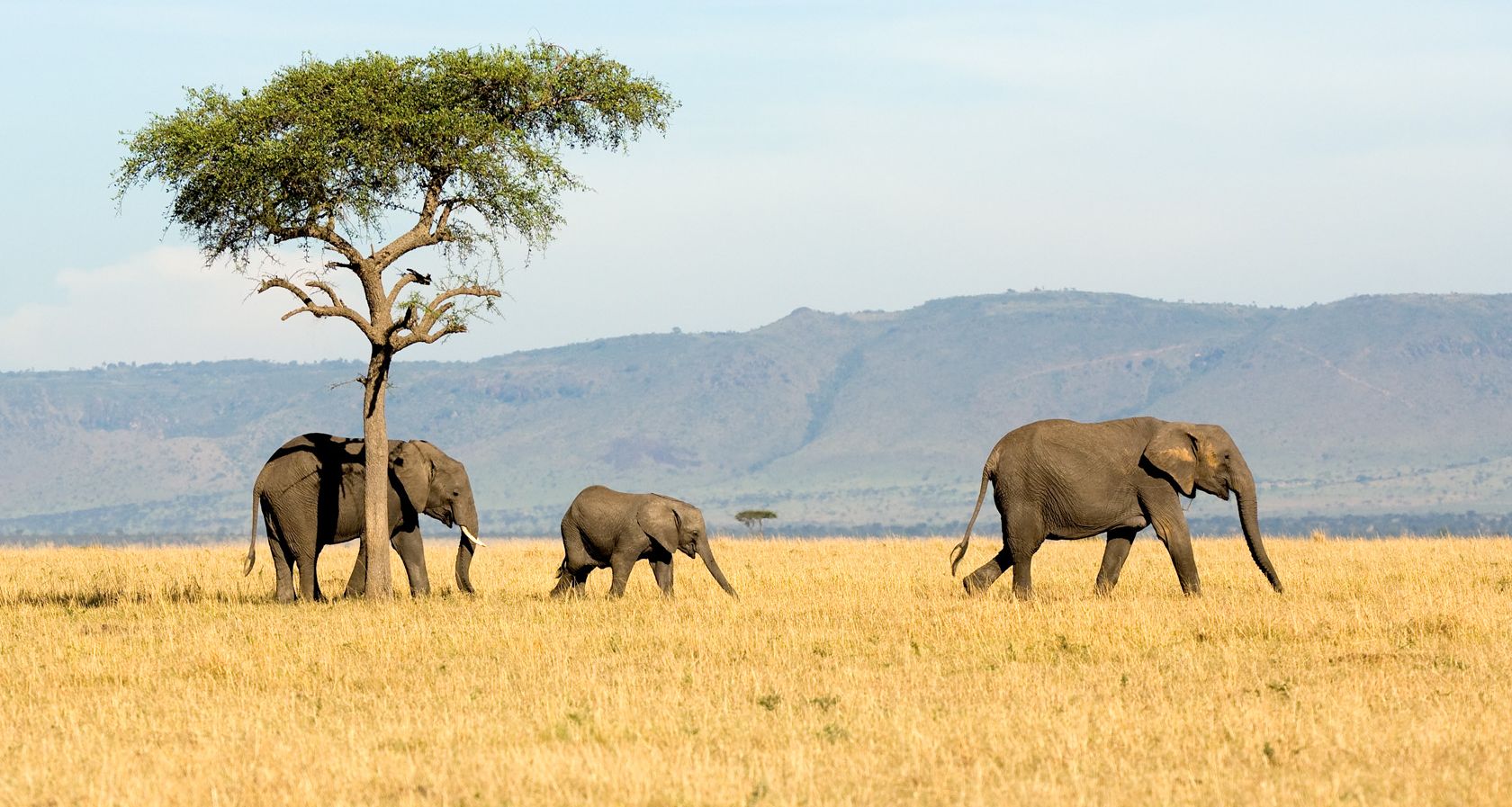
Planning a safari in East Africa is one of the most rewarding travel decisions you can make - but it’s also one where the details matter. From choosing between Kenya and Tanzania, to understanding the best time to travel and how much a safari costs, getting it right early makes all the difference.
If you’re planning a safari in 2027, this guide answers the most common questions travelers ask - clearly and practically - so you can build a trip that feels well-paced, considered, and worth the time.

The best place for a safari in East Africa depends on what you want to experience. Each country offers something slightly different, and the right choice comes down to pace, wildlife focus, and travel style.
The best time for a safari in East Africa depends on what you want to see and how you prefer to travel.
Rather than asking “what is the best month for safari,” it’s more useful to match your travel dates to the right location.
A common question is how long a safari should be. The answer depends on how you want the experience to feel.
Short trips of 5–7 days can work, but they often involve more movement between locations. A more balanced safari typically runs 8–10 days, allowing enough time to settle into each area.
Spending at least three nights in one location makes a noticeable difference. It gives you time to return to sightings, adjust to the environment, and avoid rushing through the experience.


Safari costs vary depending on season, location, and how the itinerary is structured. Travelers often ask this early, but the more useful question is what shapes the value of the experience.
What makes the biggest difference is:
A well-structured safari focuses on access and time in the field, rather than simply the property itself.
A safari comes together properly when a few key elements are aligned.
When these elements are in place, the experience feels more natural and less rushed.
Many first-time travelers make similar mistakes when planning a safari.
Trying to visit too many destinations in a short time often leads to more travel than time in the field. Choosing camps based only on appearance can result in staying in areas with less wildlife activity. Seasonality is also frequently overlooked, which can affect what you see more than expected.
A well-planned safari keeps things focused - fewer locations, better timing, and more time where it matters.

Yes. Safaris are conducted with experienced guides and clear safety protocols. When properly planned, it’s a safe and well-managed travel experience.
Wildlife is never guaranteed. However, in well-planned areas across Kenya and Tanzania, the chances are generally high. The experience is best approached as a whole rather than focusing on specific animals.
Kenya and Tanzania are both strong options. Kenya offers ease and variety, while Tanzania offers scale and quieter landscapes.
Yes, combining Kenya and Tanzania is common and works well when structured properly, especially for trips of 10 days or more.
Yes. Safaris are always guided. A good guide significantly improves sightings, positioning, and overall experience.
Neutral clothing, comfortable layers, binoculars, and a camera if you’re interested in photography. Early mornings and evenings can be cooler, so layering works best.
Planning a safari in East Africa comes down to a few key decisions - where to go, when to travel, and how to structure your time.
For 2027, many well-positioned camps are already being secured early, especially for peak travel periods. Starting the process in advance gives you more flexibility and better choices.
If you’re considering a safari, you can explore our journeys across East Africa or reach out to begin planning a trip that fits your timing, pace, and interests.