OUR PARTNERS




By Ian, 4 February 2026
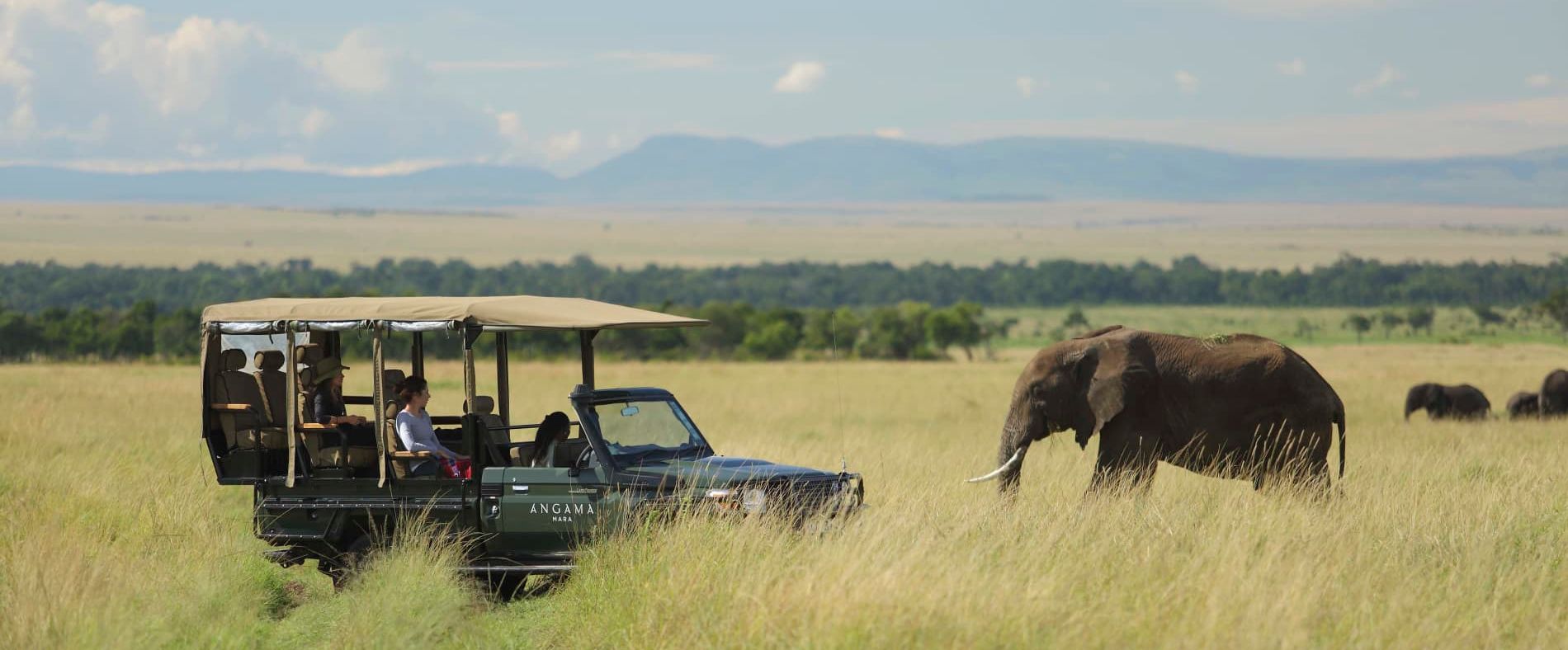
When most people think about safari in East Africa, they imagine one thing: peak season, endless vehicles, and a race to tick off the Big Five.
But here’s the truth - what makes a safari unforgettable isn’t always what’s most popular.
It’s what’s most intentional.
And that’s where many travelers get it wrong.
You’ll often hear that July to October is the “best time” for safari. Yes, it’s when the Great Migration crosses the Mara River in the Masai Mara National Reserve and Serengeti National Park.
But “best” depends on what you’re actually looking for.
Peak season comes with:
Now compare that with the green season (roughly March to June and November to early December):
And most importantly - you experience the wilderness without the noise.
Safari isn’t just about sightings. It’s about how those moments feel.
Imagine watching a pride of lions without ten vehicles around you.
Or sitting quietly as a herd of elephants moves through fresh grass after rain.
Or tracking birds in silence, with only natural sound around you.
That’s the difference.
In places like Amboseli National Park, the green season brings out incredible contrasts - elephants moving across open plains with Mt. Kilimanjaro often hidden behind dramatic cloud build-up.
In Tarangire National Park, the landscape transforms completely, attracting migratory species and offering a quieter, more intimate feel compared to peak months.

If you’re serious about wildlife photography, timing changes everything.
Dry season gives you:
But green season gives you:
For birding, especially, East Africa becomes a completely different destination during this period - with migratory species arriving and resident birds in breeding plumage.
We’re seeing a shift in how people travel.
More travelers are moving away from “rush itineraries” and toward slower, more meaningful experiences. Safaris that focus on:
Destinations like Lewa Wildlife Conservancy and Ngorongoro Conservation Area offer this balance - wildlife, conservation work, and real context behind what you’re seeing.
It’s no longer just about what you see. It’s about understanding where you are.
Instead of asking “What’s the best time for safari?”, ask:
There isn’t one correct answer. There’s only the right fit for you.

A well-planned safari isn’t built around a calendar.
It’s built around intention.
The difference between a good safari and one you’ll never forget often comes down to timing, pace, and how well everything is put together behind the scenes.
That’s where real value is.
If you’re thinking about East Africa - whether it’s Kenya, Tanzania, Rwanda, or Uganda - the approach matters more than the destination itself.
At Savara Luxe Safari, we focus on designing journeys that are personal, well-paced and grounded in real experience on the ground.
If you want something that feels different from the usual, reach out and we’ll map it out properly.