OUR PARTNERS




By Savara Luxe, 22 April 2025
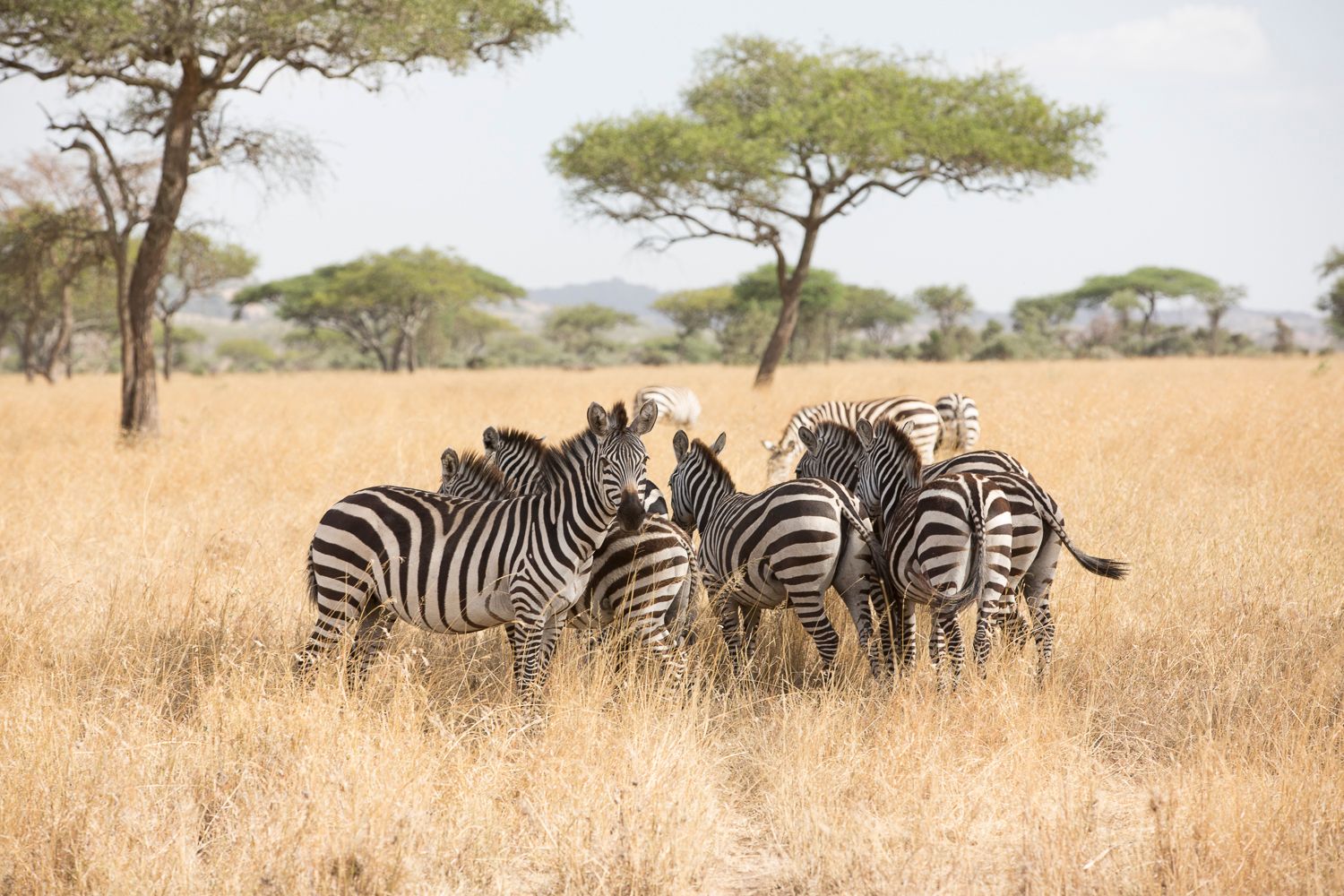
The best camps and lodges in Tanzania for wildlife photography are those located close to wildlife movement, with flexible guiding and minimal vehicle pressure. Areas like the Serengeti National Park, Ngorongoro Crater, and Ruaha National Park offer some of the strongest conditions for photography - open landscapes, consistent wildlife, and space to work a sighting properly.
The right camp makes a noticeable difference. It affects how much time you spend with wildlife, how well you can position for light and background, and how flexible your day can be. For photographers, this is what shapes the outcome more than anything else.
Namiri Plains (Eastern Serengeti)
A strong choice for big cat photography, especially cheetahs. The area is quieter, which allows for more controlled sightings and cleaner compositions.
Lamai Serengeti (Northern Serengeti)
Well positioned near the Mara River, making it ideal during migration season. Elevated views also allow for wider landscape shots.
Serengeti Safari Camp (Mobile Camp)
Moves with the migration, ensuring you stay close to wildlife movement. This reduces unnecessary travel and increases time in the field.
Dunia Camp (Central Serengeti)
A reliable year-round option with consistent predator activity. Works well if your travel dates are fixed and not tied to migration.

Mwiba Lodge & Legendary Mwiba Camp (Mwiba Wildlife Reserve)
Private reserve access allows off-road driving and better positioning, which is important for photography.
Singita Faru Faru & Singita Sabora (Grumeti Reserve)
Located in a controlled environment with fewer vehicles, allowing more time and space at sightings.

&Beyond Ngorongoro Crater Lodge
The crater offers dense wildlife populations in a compact area, making it possible to photograph multiple species in a short time.
Gibb’s Farm (Karatu)
More suited for environmental and lifestyle photography, with gardens, farms, and forest settings.

Chem Chem & Little Chem Chem
Known for a slower safari pace and strong elephant encounters in open terrain.
Oliver’s Camp
Offers walking safaris and flexible game drives, adding variety to your photography.
Tarangire Treetops
Provides elevated views, useful for wider compositions and landscape-focused shots.

Jabali Ridge (Ruaha National Park)
A quieter, less crowded park with rugged landscapes and unique wildlife behavior.
Beho Beho (Nyerere National Park)
Offers a mix of environments, including river systems, with opportunities for boat and walking photography.
The best camps for wildlife photography in Tanzania share a few important characteristics.
They are located close to wildlife movement, reducing time spent driving. They allow flexibility in how game drives are conducted, which helps with positioning and light. And they are supported by guides who understand how to read animal behavior and adjust accordingly.

The best time for a photography safari in Tanzania depends on what you want to capture.
Matching your travel dates to the right region is more important than choosing a specific camp first.
For better results in the field:
A photography-focused safari is built around timing, location, and flexibility. Staying longer in fewer areas often produces better results than trying to cover too much ground.
If you’re planning a Tanzania safari, explore our journeys or get in touch to build a trip that aligns with your photography goals and travel timing.